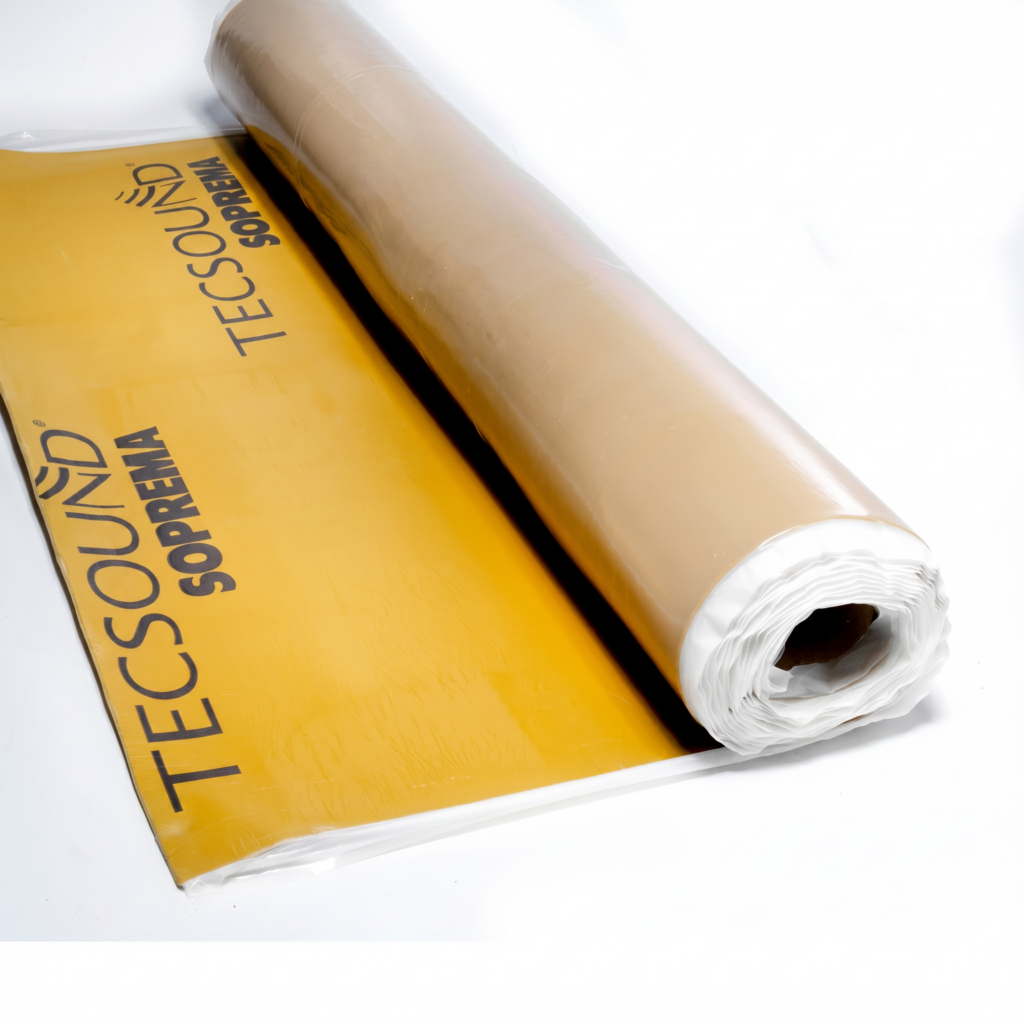
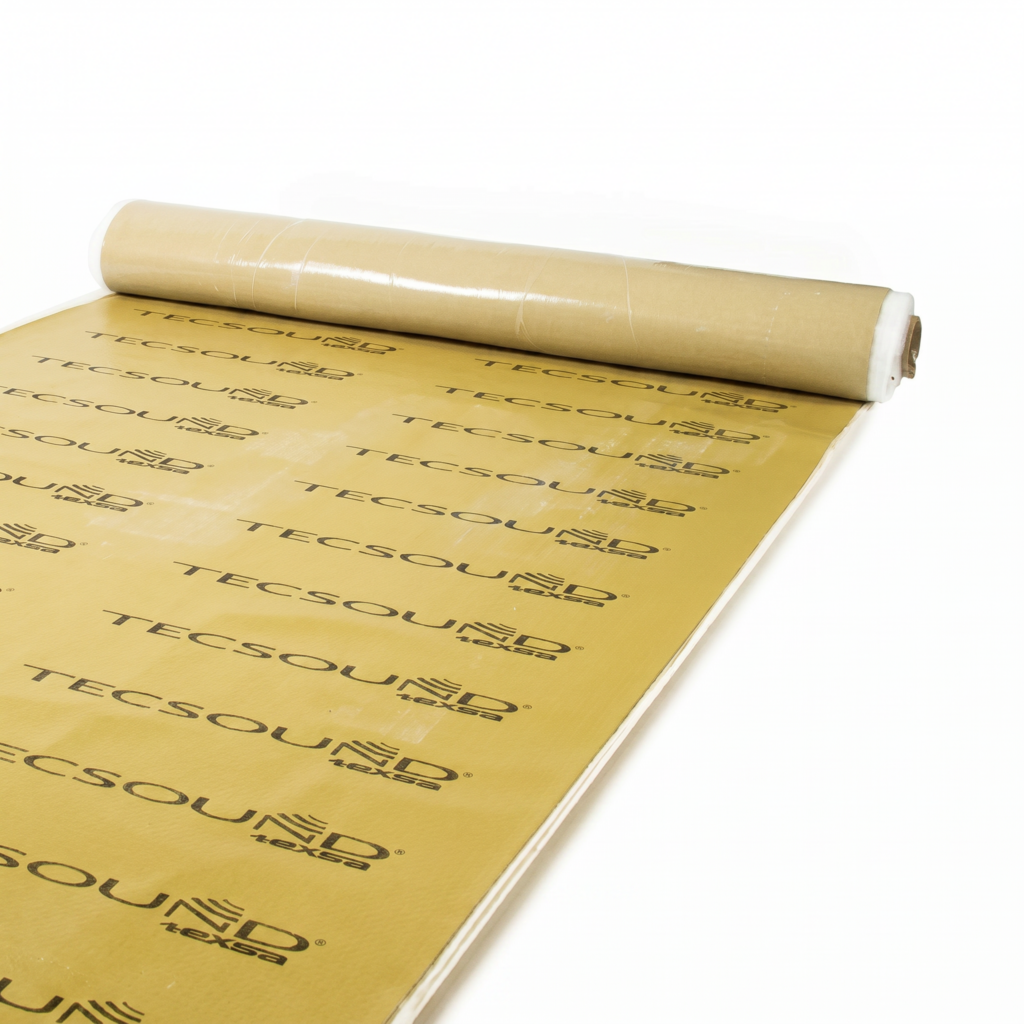
TECSOUND SY70 Self-Adhesive Acoustic Membrane
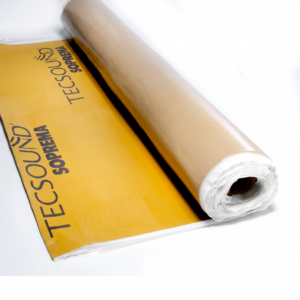
TECSOUND SY70 is a high-performance, self-adhesive acoustic membrane designed to add mass to walls, floors and ceilings. With a mass of 7kg/m², it provides a heavier acoustic barrier than SY50, making it suitable for projects where increased sound reduction is required.
Also known as Tecsound 70SY or Tecsound SY 70, this membrane is commonly used in both domestic and commercial soundproofing systems. It is suitable for DIY users looking to improve noise control at home, as well as trade installers working on offices, retail spaces, schools, studios and other acoustic refurbishment projects.
What is TECSOUND SY70 used for?
TECSOUND SY70 is mainly used to help reduce airborne noise, including voices, TV noise, music, office noise and general sound transfer through separating structures. It can be applied to suitable walls, floors and ceilings as part of a complete acoustic system.
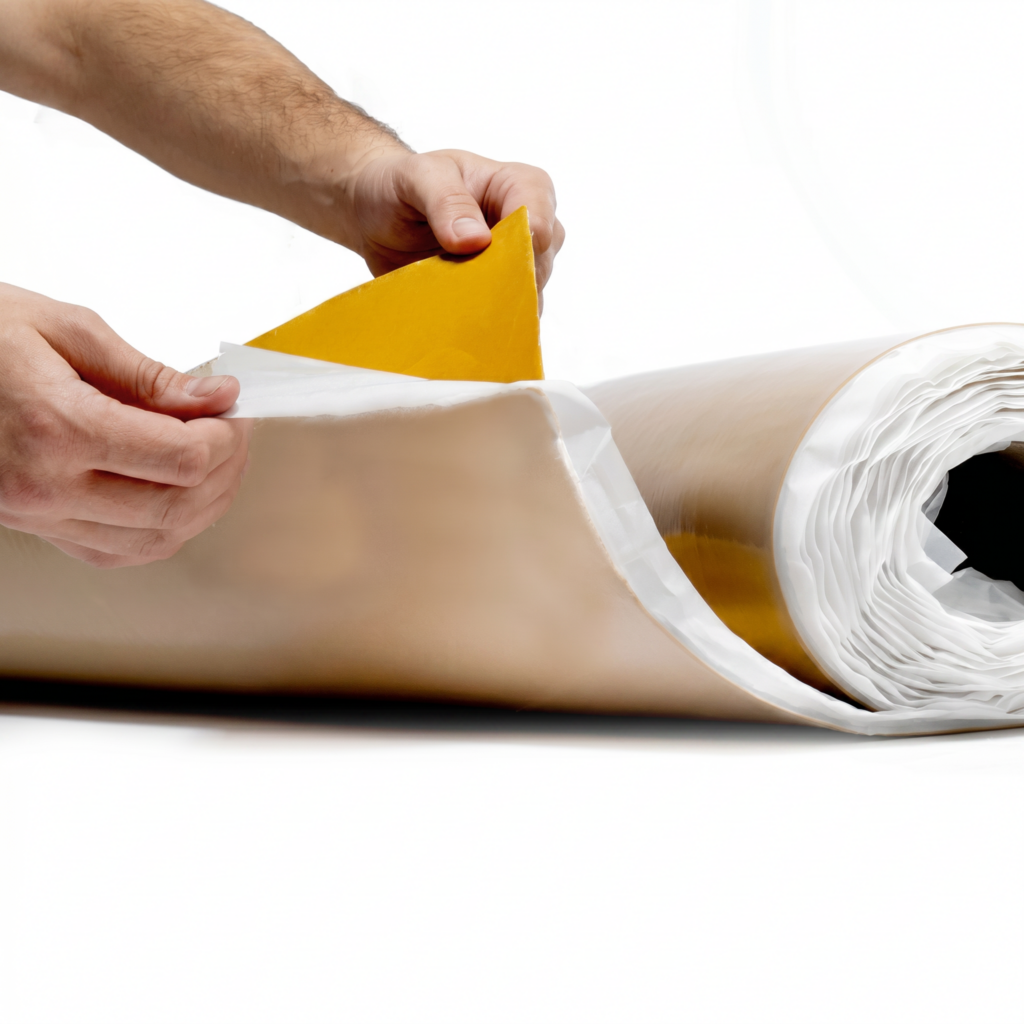
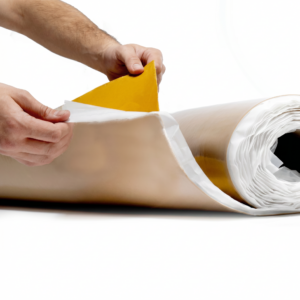
Because it is self-adhesive, TECSOUND SY70 can be fixed directly to clean, dry and stable surfaces without the need for separate adhesive. This makes it easier to install on plasterboard, timber, MDF, concrete and suitable construction boards.
Is TECSOUND SY70 good for ceilings?
Yes, TECSOUND SY70 is well suited to ceiling soundproofing when used as part of the correct build-up. It is commonly used with suspended ceilings, ceiling linings and acoustic ceiling systems to add mass and help reduce sound transfer from above or between rooms.
It can be used on its own in some applications, but it is often most effective when combined with other acoustic materials such as acoustic mineral wool, resilient bars, furring channels, acoustic plasterboard and acoustic sealant.
Key benefits
- Higher mass than SY50 — adds 7kg/m² of acoustic mass to the structure.
- Self-adhesive backing — peel-and-stick application for faster, cleaner installation.
- Suitable for walls, floors and ceilings — useful across a wide range of soundproofing projects.
- Strong option for ceiling systems — ideal for suspended ceilings, office ceilings and acoustic ceiling upgrades.
- Slim acoustic layer — provides useful mass without a large build-up.
- Flexible and easy to cut — can be trimmed to size using a sharp utility knife.
- Useful for DIY and trade installations — suitable for home refurbishments and commercial projects.
Common applications
- Ceiling soundproofing systems
- Suspended ceiling acoustic upgrades
- Party wall soundproofing
- Floor soundproofing build-ups
- Offices, schools, retail stores and public spaces
- Studios, media rooms and home offices
- Residential and commercial refurbishment projects
Helpful advice before buying
TECSOUND SY70 is a heavier acoustic membrane, so it is a strong choice where additional mass is needed. However, soundproofing performance depends on the full system, not just one product. The existing structure, supporting materials, installation quality and sealing of gaps will all affect the final result.
For best results, TECSOUND SY70 should usually be combined with other suitable acoustic products, especially when treating ceilings, party walls or floor structures. Acoustic insulation, plasterboard layers, resilient isolation products and acoustic sealant can all play an important role in the finished system.
If you are unsure whether TECSOUND SY70 is the right membrane for your wall, floor or ceiling project, please contact our team before ordering. We can help you choose the most suitable product and build-up based on your noise issue, room type and available space.
TECSOUND SY70 Technical Specifications
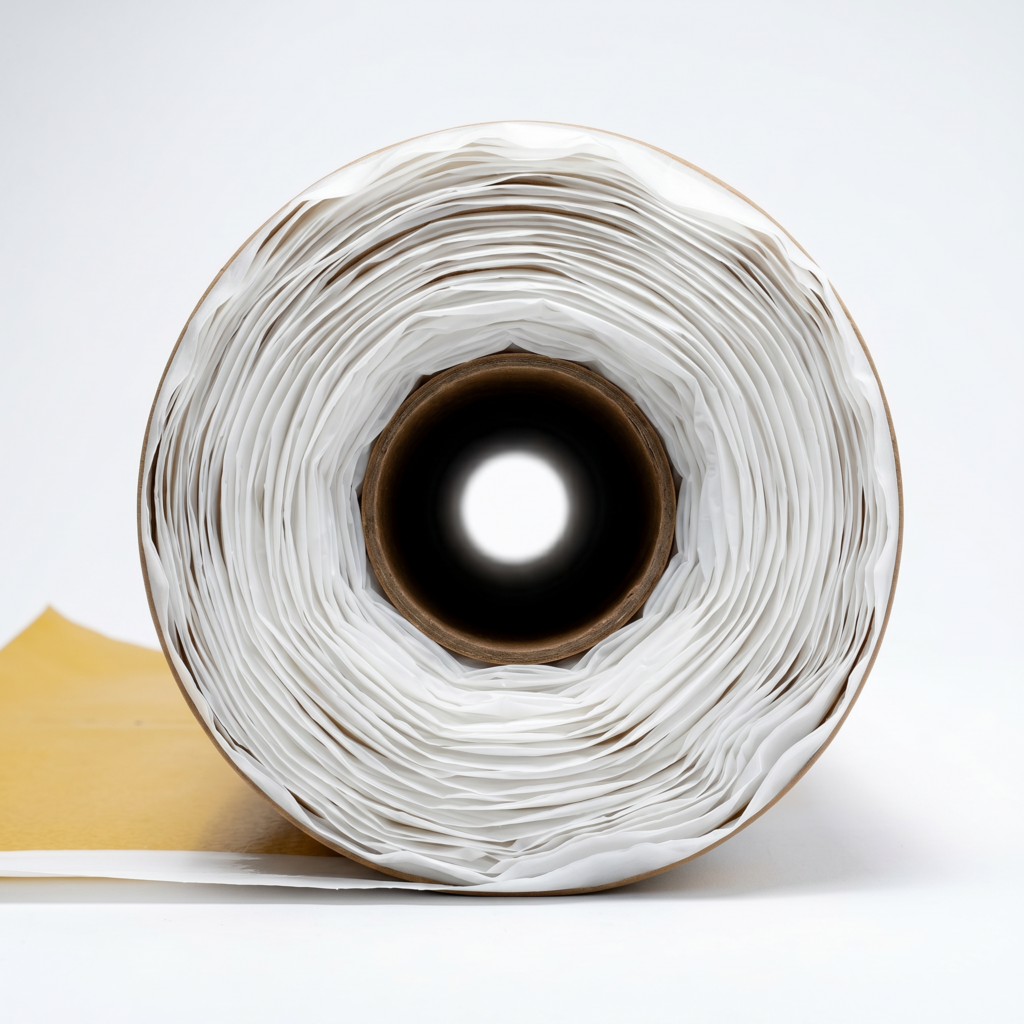
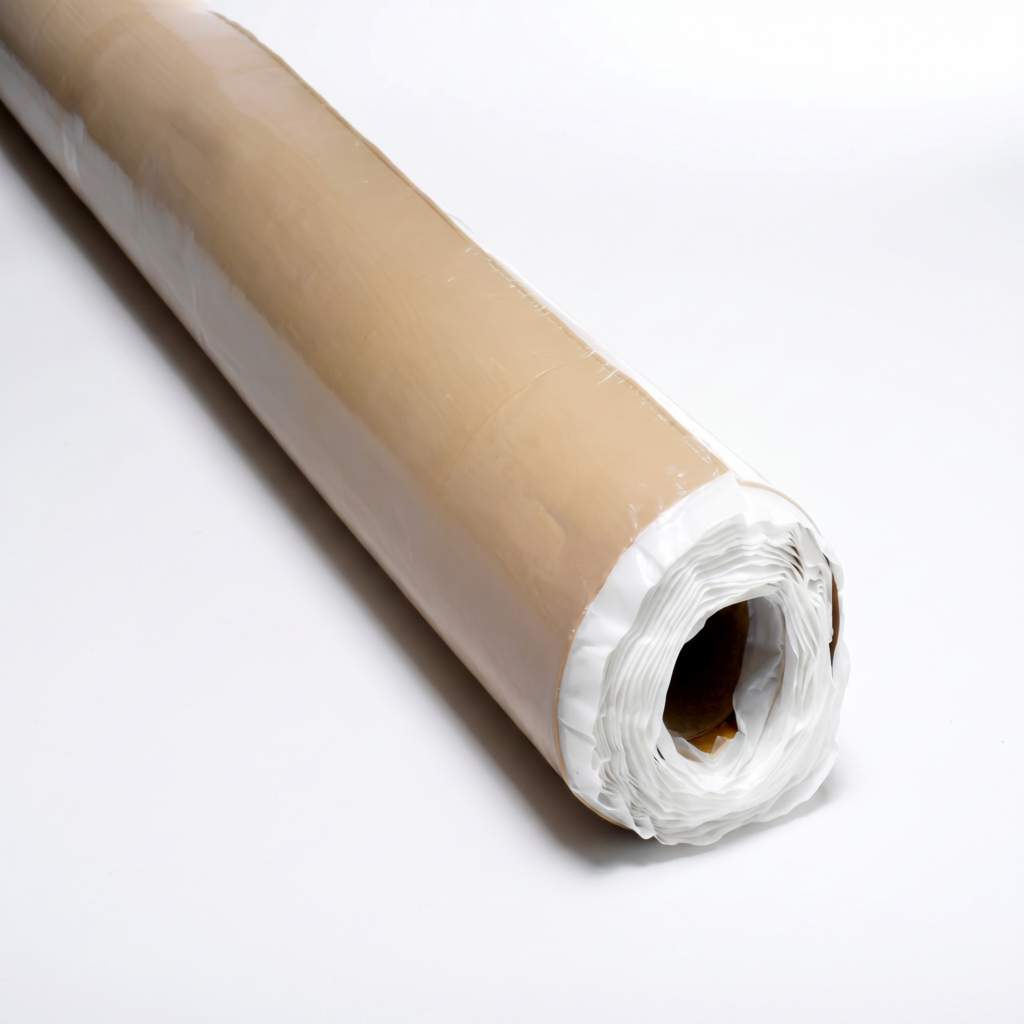
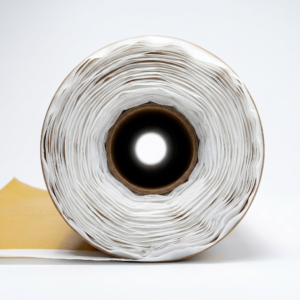
TECSOUND SY70 Self-Adhesive Acoustic Membrane is a high-mass acoustic barrier designed to improve sound insulation in walls, floors and ceilings. It is supplied in roll format and adds 7kg/m² of acoustic mass to the surface it is applied to.
Product Specification
| Product Name |
TECSOUND SY70 Self-Adhesive Acoustic Membrane |
| Also Known As |
Tecsound 70SY, Tecsound SY 70, Tecsound S70 |
| Product Type |
Self-adhesive acoustic membrane |
| Application |
Walls, floors and ceilings |
| Dimensions |
5.0m x 1.22m, +/- 2% |
| Coverage |
6.0m² per roll |
| Thickness |
3.5mm |
| Weight / Mass |
7kg/m² |
| Approximate Roll Weight |
Approximately 42kg, based on 6.0m² coverage at 7kg/m² |
| Pack Size |
1 roll |
| Density |
N/A |
| Installation Method |
Self-adhesive peel-and-stick backing |
| Fire Rating |
EN 13501-1 – Class B |
Suitable Surfaces
TECSOUND SY70 can be applied to a range of clean, dry and stable construction surfaces. Common suitable surfaces include:
- Plasterboard
- Timber boards
- MDF
- Concrete
- Drywall and partition systems
- Suspended ceiling systems
- Bulkheads and ceiling linings
For best adhesion, the surface should be free from dust, grease, moisture, loose material and heavy texture before installation.
Acoustic Use
TECSOUND SY70 is primarily used to help reduce airborne noise. This includes sound such as voices, TV noise, music, office noise and general noise transfer through a wall, floor or ceiling structure.
The membrane works by adding a dense, flexible acoustic layer into the build-up. With a mass of 7kg/m², SY70 provides a heavier acoustic layer than SY50, making it suitable where additional mass is required.
Common System Uses
- Ceiling soundproofing systems
- Suspended ceiling acoustic upgrades
- Party wall soundproofing
- Floor soundproofing build-ups
- Office, retail, school and public-space acoustic projects
- Studios, media rooms and home offices
- Residential and commercial refurbishments
Important Performance Note
Soundproofing performance depends on the full construction, not just one individual product. The final result will be affected by the existing wall, floor or ceiling, the number of layers used, the quality of installation and whether gaps, joints and flanking paths are properly controlled.
For best results, TECSOUND SY70 is commonly combined with other acoustic materials such as acoustic plasterboard, mineral wool, resilient channels, furring channels, acoustic sealant and suitable floor or ceiling systems.
Handling Advice
TECSOUND SY70 is a heavy acoustic membrane, with an approximate roll weight of around 42kg. For ceilings, overhead work or larger areas, we recommend working in pairs and cutting the membrane into manageable sections before fitting.
Visit our fitting instructions section for more detailed guidance specific to your application. Please contact our team if you have any questions about this product.
How to Install TECSOUND SY70 Self-Adhesive Acoustic Membrane
TECSOUND SY70, also known as Tecsound 70SY or Tecsound SY 70, is a high-performance self-adhesive acoustic membrane designed to reduce airborne noise transfer through walls, ceilings and floors. With a mass of 7kg/m², it provides a heavier acoustic layer than SY50 and is well suited to projects where additional soundproofing performance is required.
The self-adhesive backing makes installation faster and cleaner, as it removes the need for separate adhesive. However, because SY70 is a heavy acoustic membrane, careful preparation, handling and firm pressure during fitting are important for a secure installation.
What You’ll Need
- TECSOUND SY70 Self-Adhesive Acoustic Membrane
- Measuring tape
- Sharp Stanley knife or utility blade
- Straight edge or metal ruler
- Hand roller or floor roller
- Gloves for handling
- Acoustic sealant for edges and gaps
- Acoustic putty pads for socket boxes, if required
- Tecsound jointing tape or suitable acoustic tape, if required
Before You Start
Allow TECSOUND SY70 to acclimatise in the room for around 24 hours before installation where possible. This helps the material settle to the room temperature and makes it easier to handle.
SY70 is heavier than SY50, so larger pieces can be difficult to lift and position, especially on ceilings. For overhead work or larger areas, we recommend working in pairs and cutting the membrane into manageable sections before fitting.
Step 1: Prepare the Surface
Before applying the membrane, make sure the surface is properly prepared. The surface should be:
- Clean — remove dust, dirt, grease, debris and loose particles.
- Dry — avoid applying the membrane to damp or wet surfaces.
- Smooth and stable — fill cracks, gaps or uneven areas before fitting.
- Structurally sound — do not apply to weak, crumbling or unstable surfaces.
TECSOUND SY70 can be installed onto suitable surfaces such as plasterboard, concrete, timber, MDF and other stable construction boards. Good preparation is important because dust, moisture or loose material can reduce adhesion.
Step 2: Measure and Cut the Membrane
- Measure the area where the membrane will be applied.
- Mark the required size on the membrane.
- Cut TECSOUND SY70 to size using a sharp Stanley knife or utility blade and a straight edge.
- Cut carefully to reduce gaps and waste.
Allow for a small overlap of approximately 5mm to 10mm between sheets where possible. For ceiling applications, pre-cutting smaller sections will make the material easier to handle and position.
Step 3: Apply TECSOUND SY70 to the Surface
- Start from one corner of the installation area.
- Peel back a small section of the protective backing.
- Align the exposed adhesive section with the surface.
- Press the membrane firmly into place.
- Gradually peel away more of the backing while smoothing the membrane onto the surface.
- Use a hand roller, floor roller or firm hand pressure to secure full contact.
Work slowly and methodically. Avoid trapping air behind the membrane and make sure each section is fully pressed down. Firm pressure across the full surface helps improve adhesion and reduces the risk of air pockets.
Step 4: Overlap and Seal the Joints
Where sheets meet, overlap TECSOUND SY70 by around 5mm to 10mm where possible. Press the overlap firmly to create a tight joint and help maintain continuous acoustic coverage.
For improved airtightness, joints can be reinforced with Tecsound jointing tape or a suitable acoustic tape. This is especially useful when the membrane is being used as part of a higher-performance wall, ceiling or floor soundproofing system.
Step 5: Trim and Finish
Once the membrane is fitted, trim any excess material around edges, corners, sockets, switches, pipes or openings using a sharp blade and straight edge.
Pay close attention to weak points. Sound can pass through small gaps, so perimeter edges, joints and penetrations should be sealed carefully. Use acoustic sealant around edges and small gaps. Where electrical sockets or switches are present, use acoustic putty pads to help reduce sound leakage through the back boxes.
Step 6: Add the Next Layer
Once TECSOUND SY70 has been installed, it can be covered or built into the next stage of the soundproofing system. Depending on the project, this may include:
- Acoustic plasterboard
- Standard plasterboard
- MDF or timber board
- Suspended ceiling systems
- Floating floor layers
- Resilient bars or furring channels
- Acoustic mineral wool within the cavity
TECSOUND SY70 performs best when used as part of a complete acoustic build-up. For example, ceiling and wall systems often combine acoustic membrane, acoustic insulation, isolation channels, plasterboard layers and acoustic sealant to improve airborne noise reduction.
Installation Tips
- Let the membrane acclimatise — allow it to sit in the room before fitting where possible.
- Work in pairs — SY70 is heavy, especially when fitting larger sections or working overhead.
- Use smaller sections on ceilings — this makes positioning and bonding easier.
- Apply firm pressure — use a roller to improve adhesion and remove trapped air.
- Keep coverage continuous — gaps can reduce the soundproofing result.
- Seal edges and penetrations — sound can leak through small openings.
Important Soundproofing Note
Soundproofing performance depends on the full system, not just one individual product. TECSOUND SY70 adds valuable acoustic mass, but the final result will also depend on the existing structure, the supporting materials, the installation quality and how well gaps and flanking paths are controlled.
If you are unsure how to install TECSOUND SY70 for your wall, ceiling or floor project, please contact our team before fitting. We can help advise on the most suitable build-up for your room, noise type and available space.