Norsound NOR789 Acoustic Flex PVC Hytrel Seal – 2100mm
Norsound NOR789 Acoustic Flex PVC Hytrel Seal – 2100mm is a flexible acoustic door-sealing profile designed to help restrict airborne sound, draughts, light and uncontrolled airflow through gaps around a suitable doorset.
The product combines a flexible PVC profile with a resilient Hytrel sealing element.
When correctly positioned, the flexible sealing element contacts the opposing door or frame surface as the door closes. This helps reduce the open air path through which sound and air can pass.
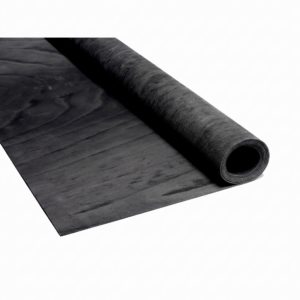
Each seal is supplied as one fixed 2100mm black length.
What is the NOR789 used for?
The NOR789 is listed within the acoustic perimeter-seal range and is intended to form part of a complete door-sealing system.
Depending on the approved profile arrangement, an acoustic perimeter seal may be used around:
- The door-frame head
- The hinge-side jamb
- The closing-side jamb
- A meeting stile on an appropriate double doorset
- Another door-to-frame junction specified by the doorset design
The precise installation position must be confirmed from the applicable product information and doorset specification before fitting.
Why do doors need perimeter seals?
A door leaf may provide substantial resistance to airborne sound, but gaps around its perimeter can create direct leakage paths.
Sound can pass through relatively small openings between:
- The door leaf and frame
- The door face and stop
- Two adjoining leaves at a meeting stile
- The door bottom and threshold
The NOR789 helps treat the specified perimeter gap by creating flexible contact between the moving door and the opposing sealing surface.
For an effective acoustic arrangement, the complete perimeter should be considered rather than treating only one section of the door.
Flexible PVC profile
The PVC component provides a flexible body capable of following the door or frame perimeter.
Depending on the manufactured cross-section, the PVC section may act as:
- The main profile body
- The retaining or mounting section
- A support for the Hytrel sealing element
- A flexible transition between the fixing area and contact element
The physical profile should be inspected before installation to establish its correct orientation and fixing arrangement.
Hytrel sealing element
Hytrel is a thermoplastic copolyester elastomer designed to combine flexibility with mechanical durability.
Within a door-sealing profile, a Hytrel element can provide resilient contact that flexes as the door closes and recovers when the door opens.
Material characteristics associated with Hytrel include:
- Flexibility and elastic recovery
- Resistance to repeated flexing
- Tear resistance
- Mechanical toughness
- Resistance to creep and permanent deformation
- Suitability for extruded profiles
The specific performance of the NOR789 depends on the grade, profile geometry and complete product construction selected by the manufacturer.
How does the seal work?
The sealing element is positioned so it contacts an opposing surface when the door reaches its closed position.
Depending on the profile design, the element may work through:
- Light compression
- Flexible deflection
- A wiping or swiping action
- Contact against a door stop
The exact action should be identified from the physical profile before installation.
Correct contact helps restrict the air path around the door without creating excessive resistance to opening or closing.
Acoustic sealing
The NOR789 is intended for acoustic perimeter-sealing applications.
An individual strip does not have a universal standalone decibel rating.
Final acoustic performance depends on the complete door assembly, including:
- The construction and mass of the door leaf
- The door frame and stops
- The gaps around the door
- The position and continuity of the perimeter seals
- The door-bottom or automatic drop seal
- The threshold surface
- Glazing and ironmongery
- The frame-to-wall junction
- The quality of installation
Any numerical sound-reduction rating should be attributed only to the complete tested doorset arrangement to which it applies.
Complete acoustic door-sealing system
The NOR789 should generally be treated as one component within a complete acoustic door system.
An appropriate system may include:
- Perimeter sealing around the head and jambs
- A suitable automatic drop seal beneath the door
- A firm and continuous threshold surface
- Meeting-stile seals on double doors
- Correctly sealed glazing
- Appropriate lock, latch and hinge details
- A sealed frame-to-wall junction
Leaving the threshold or another section of the perimeter untreated can significantly reduce the performance of the overall system.
Smoke-control applications
The flexible contact created by a perimeter seal may help reduce airflow around a closed door.
However, no current NOR789-specific smoke-test report or certification has been located.
The product should not be described as a certified smoke seal unless current evidence confirms:
- The applicable smoke-test standard
- The tested profile arrangement
- The permitted door gaps
- The installation position
- The compatible threshold-sealing arrangement
Where certified smoke control is required, obtain current evidence before specifying or installing the product.
Fire-door applications
The NOR789 should not be treated as an intumescent fire seal.
No NOR789-specific fire-resistance evidence has been identified within the currently available technical information.
Where installation is proposed on a fire-resisting doorset:
- Confirm that the profile is permitted by the doorset evidence.
- Do not remove or obstruct required intumescent seals.
- Do not machine the door or frame without approval.
- Maintain the approved perimeter gaps.
- Do not interfere with hinges, locks, latches or closing devices.
- Confirm that the door continues to self-close and latch.
The NOR789 does not independently provide an FD30, FD60 or other fire-resistance classification.
Black finish
The current supplied NOR789 range contains one colour:
Black
The black finish can provide a discreet appearance against:
- Dark door leaves
- Black or dark-coloured frames
- Rebated or concealed installation positions
- Shadow gaps around the door perimeter
No Brown, Grey or White NOR789 product codes are listed within the supplied range.
Standard length
Each seal is supplied as one:
2100mm length
The profile may be cut to the required doorset dimensions, subject to the manufacturer’s cutting and fitting guidance.
The quantity required depends on:
- The height of the door
- The width of the frame head
- The intended installation position
- Whether one or multiple door leaves are being treated
- Whether meeting-stile sealing is required
- The permitted corner-joint arrangement
Measure the complete doorset before calculating the number of lengths required.
Typical applications
Subject to confirmation of the profile arrangement, potential applications can include:
- Acoustic timber doorsets
- Office and meeting-room doors
- Hotel and guest-room doors
- Schools and universities
- Hospitals and consultation rooms
- Care homes
- Apartment developments
- Libraries and study areas
- Recording and broadcast spaces
- Commercial and public buildings
The product must be compatible with the door construction and performance specification for the project.
Key benefits
- Acoustic perimeter sealing — helps restrict sound leakage through door gaps.
- Flexible PVC construction — provides a flexible profile body.
- Hytrel sealing element — provides resilient and recoverable contact.
- Resistance to repeated flexing — Hytrel is designed for demanding cyclic applications.
- Tear-resistant sealing material — supports durability during repeated door operation.
- Flexible door contact — accommodates normal opening and closing movement.
- 2100mm standard length — suitable for cutting to the required door or frame dimensions.
- Black finish — provides a discreet appearance in dark or concealed installations.
- Compatible with complete door-sealing systems — can be combined with a suitable threshold seal.
Important buying advice
Before ordering or installing, confirm:
- That NOR789 is the exact profile required
- The intended installation position
- The profile’s cross-sectional dimensions
- The required fixing method
- Whether a machined groove is required
- The required compression or deflection
- The door-to-frame gap
- The number of 2100mm lengths required
- Whether a compatible door-bottom seal is also required
- The applicable acoustic, smoke or fire-door evidence
Do not substitute the NOR789 for another perimeter profile solely because its length or colour appears suitable.
Norsound NOR789 Acoustic Flex PVC Hytrel Seal – 2100mm Technical Specifications
Norsound NOR789 Acoustic Flex PVC Hytrel Seal is a black, flexible acoustic door-sealing profile combining PVC with a Hytrel sealing element.
Product Specification
| Product Name |
Norsound NOR789 Acoustic Flex PVC Hytrel Seal – 2100mm |
| Brand |
Norsound by Norseal |
| Product Reference |
NOR789 |
| Product Type |
Flexible acoustic door-sealing profile |
| Product Category |
Acoustic perimeter seals |
| Primary Intended Function |
Restricting airborne sound and airflow through specified gaps around a doorset |
| Profile Material |
Flexible PVC |
| Sealing Element |
Hytrel thermoplastic copolyester elastomer |
| Standard Length |
2100mm |
| Available Colour |
Black |
| Number of Stocked Options |
One |
| Exact Profile Dimensions |
Not stated in the supplied price list and not confirmed by a current public NOR789 datasheet |
| Fixing Method |
Not confirmed by currently available NOR789-specific technical information |
| Kerf or Groove Dimensions |
Not confirmed — establish from the physical profile and current manufacturer guidance before machining |
| Required Compression or Deflection |
Not confirmed — determine from the supplied profile and approved fitting arrangement |
| Standard Installation Position |
Must be confirmed from the doorset specification and current product guidance |
| Acoustic Test Standard |
No NOR789-specific test report has been identified within the currently available product information |
| Smoke Test Standard |
No NOR789-specific smoke-test evidence has been identified |
| Fire Test Standard |
No NOR789-specific fire-resistance evidence has been identified |
| Intumescent Material |
Not stated; the product must not be treated as an intumescent fire seal |
| Cycle-Test Rating |
No NOR789-specific cycle-test rating has been confirmed |
| Current Public Manufacturer Page |
No dedicated current NOR789 page was located |
| Standalone Acoustic Rating? |
No — performance depends on the complete tested doorset arrangement |
| Standalone Smoke Classification? |
No classification should be assigned without current NOR789-specific evidence |
| Standalone Fire Rating? |
No — the product does not independently provide a fire-resistance period |
Current Stocked Product
| Colour |
Length |
Material Description |
Product Code |
| Black |
2100mm |
Flexible PVC with Hytrel seal |
NOR789/2100/BLK |
Product-Code Structure
The stocked code can be interpreted as:
- NOR789 — Norsound product reference
- 2100 — supplied length in millimetres
- BLK — Black colour
The complete stocked product code is:
NOR789/2100/BLK
Hytrel Material Characteristics
Hytrel is a thermoplastic copolyester elastomer.
General material characteristics associated with Hytrel include:
- Flexibility and resilience
- Recovery after repeated flexing
- Flex-fatigue resistance
- Tear resistance
- Low hysteresis
- Mechanical toughness
- Impact resistance
- Creep resistance
- Suitability for extrusion and co-extrusion
These are general characteristics of the Hytrel material family.
The precise performance of the NOR789 depends on the selected Hytrel grade, profile geometry and complete seal construction.
Application Verification
Before specifying the NOR789, obtain or confirm:
- A current product drawing
- The profile dimensions
- The fixing method
- The intended orientation
- The required door gap
- The required compression or deflection
- The approved doorset positions
- Any applicable acoustic test reports
- Any applicable smoke-test reports
- Any applicable fire-door assessments
Do not base machining or certification decisions solely on the product name or order code.
Acoustic Performance Note
The NOR789 is supplied as an acoustic sealing profile, but no universal decibel value should be applied to the strip itself.
Final acoustic performance depends on:
- The construction of the door leaf
- The door frame
- The door-to-frame gaps
- The sealing pressure or contact
- The continuity of the perimeter profile
- The threshold-sealing arrangement
- The meeting-stile arrangement on double doors
- The glazing and ironmongery
- The frame-to-wall junction
Only a rating supported by evidence for the complete tested door assembly should be quoted.
Smoke Performance Note
Do not claim a smoke-control classification for the NOR789 without a current supporting report or certificate.
Where smoke control is required, confirm:
- The applicable smoke-test standard
- The tested doorset construction
- The permitted profile position
- The specified door gaps
- The threshold seal
- The treatment of glazing and ironmongery
Fire-Door Performance Note
The NOR789 must not replace a required intumescent seal unless current doorset evidence specifically permits that arrangement.
Before using it on a fire-resisting door:
- Confirm that the profile is permitted.
- Confirm that any machining is permitted.
- Maintain the approved perimeter gaps.
- Keep required intumescent seals unobstructed.
- Do not interfere with fire-rated ironmongery.
- Confirm that the door continues to self-close and latch.
Quantity Guidance
The number of 2100mm lengths required depends on the intended sealing arrangement.
A three-sided single-door perimeter may require separate sections for:
- The hinge-side jamb
- The closing-side jamb
- The frame head
One 2100mm length may cover one standard-height jamb, but additional material will normally be required for the opposite jamb and head.
Measure all required sections before ordering.
Handling and Storage
Store the NOR789:
- Flat or fully supported
- In a clean and dry location
- Protected from sharp folds and permanent deformation
- With the Hytrel sealing element protected from crushing
- Away from direct heat and moisture
- Protected from paint, adhesive and construction debris
Do not place heavy materials on top of the flexible sealing element.
Inspection and Maintenance
Inspect the installed profile regularly.
Replace the specified seal where it is:
- Missing
- Loose
- Cut or torn
- Permanently deformed
- Painted over
- Contaminated with adhesive or debris
- Open at a corner joint
- No longer contacting the opposing surface
- Causing the door to fail to close or latch
Use the same confirmed profile when replacing damaged sections.
How to Install the Norsound NOR789 Acoustic Flex PVC Hytrel Seal – 2100mm
Norsound NOR789 Acoustic Flex PVC Hytrel Seal must be installed using the fixing arrangement, orientation and door gap intended for the supplied profile.
Before machining or applying the seal, inspect the physical cross-section and obtain the latest available manufacturer or supplier fitting information.
Do not copy the groove dimensions or installation method used for another Norsound perimeter seal.
What You’ll Need
The tools required depend on the confirmed fixing method.
Typical equipment may include:
- Norsound NOR789 in the required quantity
- The latest product drawing or fitting instructions
- The applicable acoustic or doorset specification
- Tape measure
- Pencil or suitable marker
- Straight edge
- Square or mitre guide
- Sharp profile-cutting tool
- Fine-tooth saw where appropriate
- Router or kerf-cutting tool only where confirmed by the manufacturer
- Clean lint-free cloth
- Brush or vacuum for removing debris
- Suitable non-residue surface cleaner where required
- Safety glasses
- Protective gloves
- Hearing protection where machining is required
- Respiratory protection when machining timber
Before You Start
Confirm:
- That the supplied product is NOR789
- That the product code is NOR789/2100/BLK
- The profile’s exact cross-sectional dimensions
- The intended fixing method
- The correct profile orientation
- The required installation position
- The intended door-to-frame gap
- The required compression or deflection
- Whether a groove or kerf is required
- Whether the installation is permitted by the doorset evidence
Do not begin production machining until a short sample has been trial fitted successfully.
Step 1: Inspect the Complete Doorset
Inspect the door leaf, frame, stops, hinges and threshold.
Confirm that:
- The door opens freely
- The door closes completely
- The latch engages correctly
- The hinges and frame are secure
- The door is not significantly warped
- The perimeter gaps are reasonably consistent
- The proposed seal will not obstruct ironmongery
- A suitable door-bottom seal is provided where required
Correct substantial doorset defects before fitting the acoustic profile.
Step 2: Identify the Profile Components
Inspect the physical NOR789 cross-section and identify:
- The flexible PVC body
- The Hytrel sealing element
- Any retaining leg or kerf-fit feature
- Any adhesive surface or release liner
- The intended contact face
- The end that should face the moving door
Do not assume that the Hytrel element should face a particular direction without checking the manufactured profile.
Step 3: Confirm the Fixing Method
Determine whether the supplied profile is intended to be:
- Kerf fitted
- Push fitted
- Self-adhesive
- Mechanically retained
- Installed using a combination of methods
Use only the fixing method stated for the NOR789.
Do not add unapproved screws, staples, adhesives or sealants that may prevent the profile from flexing correctly.
Step 4: Confirm the Installation Position
Identify the position required by the doorset specification.
This may be around:
- The frame head
- The hinge-side jamb
- The closing-side jamb
- A meeting stile
- Another specified door junction
The flexible sealing element must face the opposing surface it is intended to contact.
Step 5: Trial Fit a Short Sample
Before cutting or machining the complete doorset, trial fit a short sample.
Close the door slowly and check that the Hytrel element:
- Makes contact with the opposing surface
- Deflects or compresses in the intended direction
- Is not completely flattened
- Does not fold backwards
- Recovers when the door opens
- Does not prevent the door from latching
Adjust the proposed position only in accordance with the manufacturer’s guidance.
Step 6: Establish Any Required Groove
Where the NOR789 is confirmed as a kerf-fit or push-fit profile, establish the groove dimensions from:
- The current product drawing
- The manufacturer’s fitting instructions
- The measured retaining section of the physical profile
The groove should:
- Retain the profile securely
- Keep the profile straight
- Provide the correct sealing-element projection
- Not crush or distort the PVC body
- Not damage the door or frame construction
Test the tool setting on a suitable offcut before machining the doorset.
Step 7: Check Fire-Door Restrictions
Before machining a fire-resisting door or frame:
- Confirm that the NOR789 is permitted.
- Confirm that the proposed groove is permitted.
- Do not cut through required intumescent material.
- Do not reduce the required lipping or frame section.
- Do not damage hinge, lock or latch preparations.
Do not proceed where the required evidence is unavailable.
Step 8: Measure Each Seal Section
Measure each required section separately.
Typical sections may include:
- The hinge-side jamb
- The closing-side jamb
- The frame head
- The meeting stile
Do not assume that both jambs are exactly the same length.
Record each measurement clearly.
Step 9: Mark the Profile
Transfer the measurements onto the NOR789.
Do not stretch the flexible PVC or Hytrel element while measuring.
Mark each piece according to its intended position, such as:
- Hinge jamb
- Closing jamb
- Head
- Meeting stile
Retain the correct orientation when marking every section.
Step 10: Cut the Profile
Cut the NOR789 cleanly using a tool suitable for the profile construction.
Support the profile during cutting to prevent:
- Crushing the PVC body
- Tearing the Hytrel element
- Creating an uneven end
- Stretching the flexible section
- Separating joined materials
Remove loose cutting debris and inspect the end before installation.
Step 11: Prepare the Fixing Surface or Groove
The installation area must be:
- Clean
- Dry
- Stable
- Free from timber dust
- Free from grease and oil
- Free from loose paint or varnish
- Free from old adhesive and sealant
Where a groove is used, remove all machining debris before inserting the profile.
Where adhesive fixing is confirmed, allow the cleaned surface to dry completely before exposing the adhesive.
Step 12: Dry Fit the First Section
Position the first cut section without completing the permanent fixing.
Check that:
- The length is correct
- The profile is straight
- The Hytrel element faces the correct direction
- The profile will make the intended contact
- The end joint will meet the adjoining section
- The seal does not obstruct ironmongery
Correct the section before permanent installation where necessary.
Step 13: Install the First Jamb Section
Install the first vertical section using the confirmed fixing method.
Work progressively along the length while maintaining alignment.
Do not:
- Stretch the profile
- Twist the PVC body
- Trap the Hytrel element
- Force the profile into an undersized groove
- Use an unapproved adhesive
- Leave sections loose or projecting
Step 14: Install the Opposite Jamb
Repeat the process on the second jamb.
Maintain:
- The same profile orientation
- Consistent projection or compression
- Continuous contact along the door height
- Clearance from hinges and latch hardware
Step 15: Install the Head Section
Measure the final distance between the installed jamb pieces.
Cut and dry fit the head section.
Install it using the confirmed fixing arrangement.
The head and jamb pieces should meet closely without:
- Large open gaps
- Bulky overlaps
- Twisted sealing elements
- Loss of contact at the corners
Step 16: Check Corner Continuity
Inspect every joint.
The profile should provide continuous sealing contact through the head-to-jamb junctions.
Where the manufacturer specifies mitred joints, cut the ends to the required angle.
Where butt joints are specified, make them closely fitted and square.
Do not choose a joint method without checking the profile guidance.
Step 17: Close the Door Slowly
Close the door while observing the Hytrel element.
Check that it:
- Contacts the opposing surface
- Deflects or compresses evenly
- Remains correctly orientated
- Does not become trapped
- Does not completely collapse
- Recovers as the door opens
Stop and correct any section that folds, twists or pulls out of position.
Step 18: Check Door Operation
Open and close the door several times.
Confirm that:
- The door opens freely
- The door closes completely
- The latch engages correctly
- The self-closing device remains effective where fitted
- The profile remains securely installed
- The sealing element maintains continuous contact
- The door does not require excessive closing force
Do not leave the doorset in service where the seal prevents correct closing or latching.
Step 19: Check the Threshold
The perimeter seal does not automatically treat the gap beneath the door.
Where acoustic control is required, confirm that the doorset includes a suitable:
- Automatic drop seal
- Surface-mounted door-bottom seal
- Threshold seal
- Alternative tested threshold arrangement
Ensure the lower ends of the perimeter seals meet the threshold-sealing zone without leaving significant corner gaps.
Step 20: Complete the Final Inspection
Inspect the entire installation for:
- Loose sections
- Incorrect orientation
- Open joints
- Cuts or tears
- Poor contact
- Excessive compression
- Interference with ironmongery
- Failure of the door to close or latch
Record the product reference and installation arrangement where the doorset is subject to an inspection or maintenance programme.
Installation Tips
- Obtain NOR789-specific fitting information before installation.
- Do not copy dimensions from another Norsound profile.
- Inspect the physical profile before deciding the fixing method.
- Carry out a short trial installation first.
- Confirm the intended orientation of the Hytrel element.
- Do not stretch the profile while measuring or fitting.
- Protect the Hytrel element from cuts and crushing.
- Keep all fixing surfaces and grooves clean.
- Maintain closely fitted corner joints.
- Do not paint over the flexible sealing element.
- Do not obstruct required intumescent seals.
- Check that the door continues to self-close and latch.
- Use a compatible threshold seal where required.
Maintenance Advice
Inspect the NOR789 regularly.
Check for:
- Loose or displaced sections
- Cuts or tears in the sealing element
- Permanent deformation
- Paint or varnish contamination
- Open corner joints
- Loss of contact with the door or frame
- Accumulated dirt and debris
- Changes in the door gaps
- Failure of the door to close or latch
Clean the profile using a soft cloth and a mild cleaning product compatible with PVC and thermoplastic elastomers.
Avoid:
- Strong solvents
- Abrasive pads
- Sharp scraping tools
- Paint or varnish over the sealing element
- Unapproved oils, lubricants or adhesives
Replace damaged sections using the same confirmed NOR789 profile.
Important Performance Note
Correct profile identification, orientation, fixing and sealing contact are essential.
The NOR789 does not independently create an acoustically rated, smoke-control or fire-resisting doorset.
Final performance depends on:
- The construction of the door leaf
- The door frame
- The perimeter gaps
- The continuity of the acoustic seals
- The threshold-sealing arrangement
- The meeting-stile arrangement where applicable
- The glazing and ironmongery
- The frame-to-wall junction
- The quality of installation and maintenance
For certified or performance-rated doorsets, use the NOR789 only where supported by current product and doorset evidence.